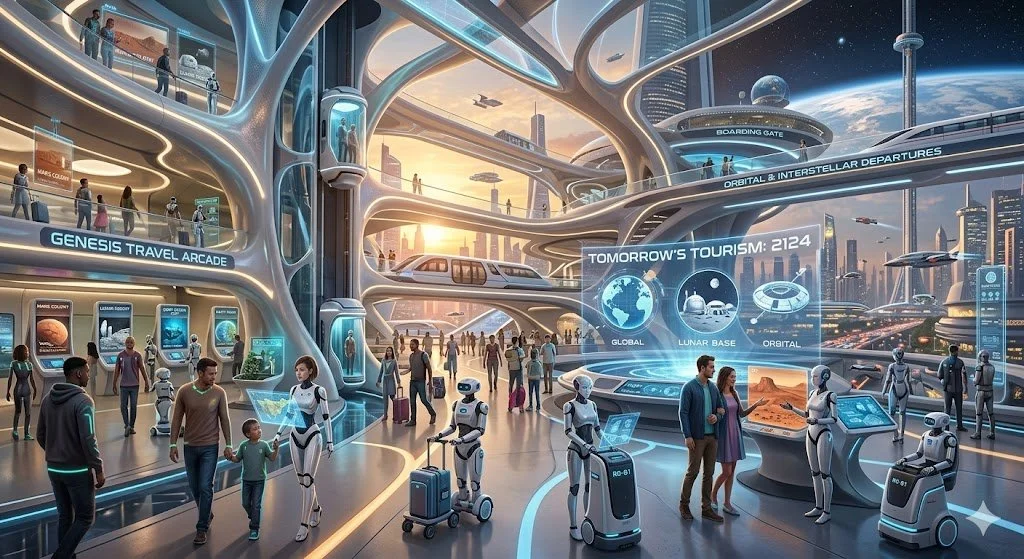
Tomorrow's Tourism: A Perspective on AI, Robots, and the Industry's Next Century
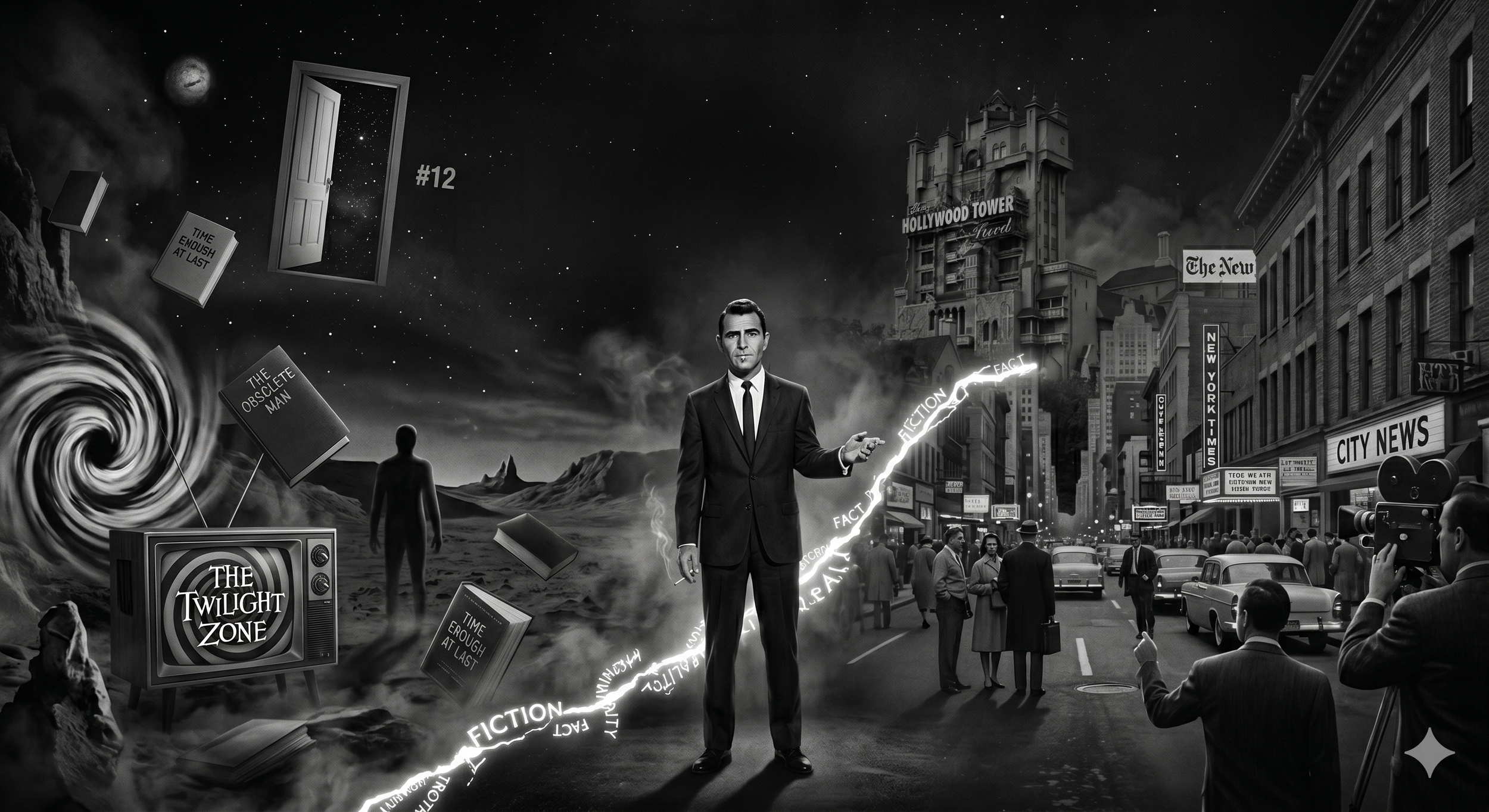
The Twilight Zone: The Door That Never Closed
The Twilight Zone operated in the space where fiction became non-fiction, where allegory became journalism, and where the "impossible" became the most honest thing on the air. Serling proved that a story about a man who wishes for time to read, or a neighbourhood that tears itself apart over a power outage, or an astronaut who wakes up in the wrong version of his life, could illuminate the human condition more searchingly than any documentary or editorial. The twilight zone, the actual one, the conceptual space Serling named is not a place you visit. It is a perspective you adopt. It is the recognition that reality is thinner than we think, that the familiar can become strange in an instant, and that the most important truths are often the ones we can only approach sideways, through the "wondrous dimension of imagination.
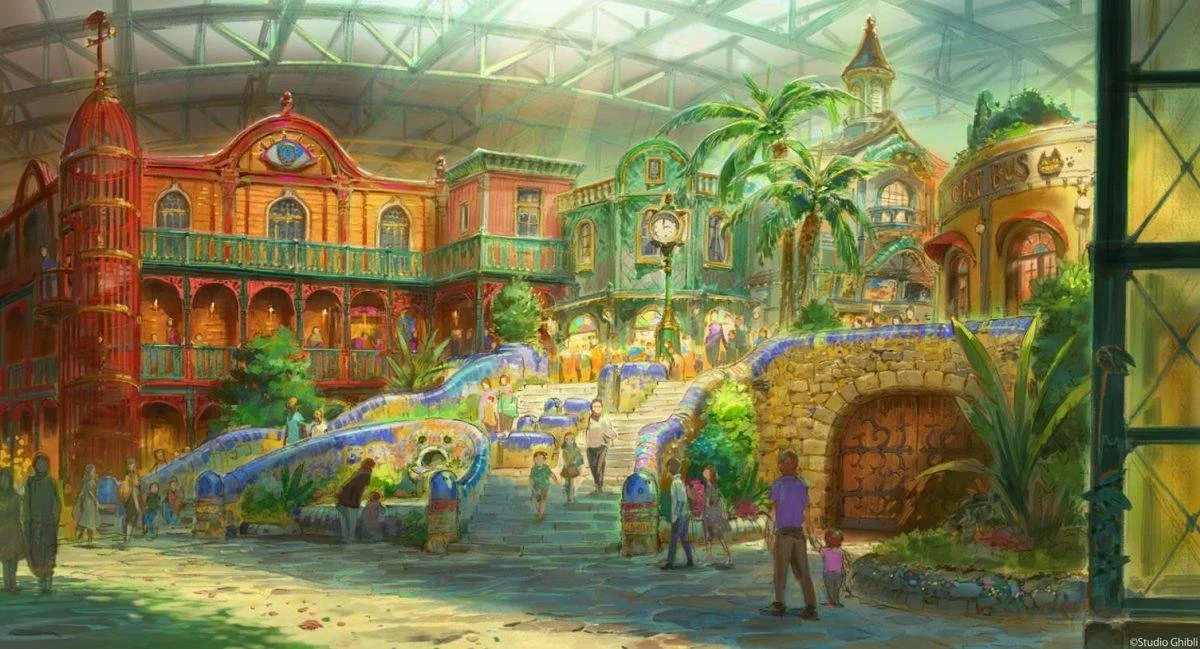
Ghibli Tourism: The Journey Beyond the Frame
Studio Ghibli never set out to move people across continents, yet it does — to real places it never built, for experiences it never staged, in pursuit of feelings it never charged for. The tourism economy that follows rewrites the rules of how experiences are sold.
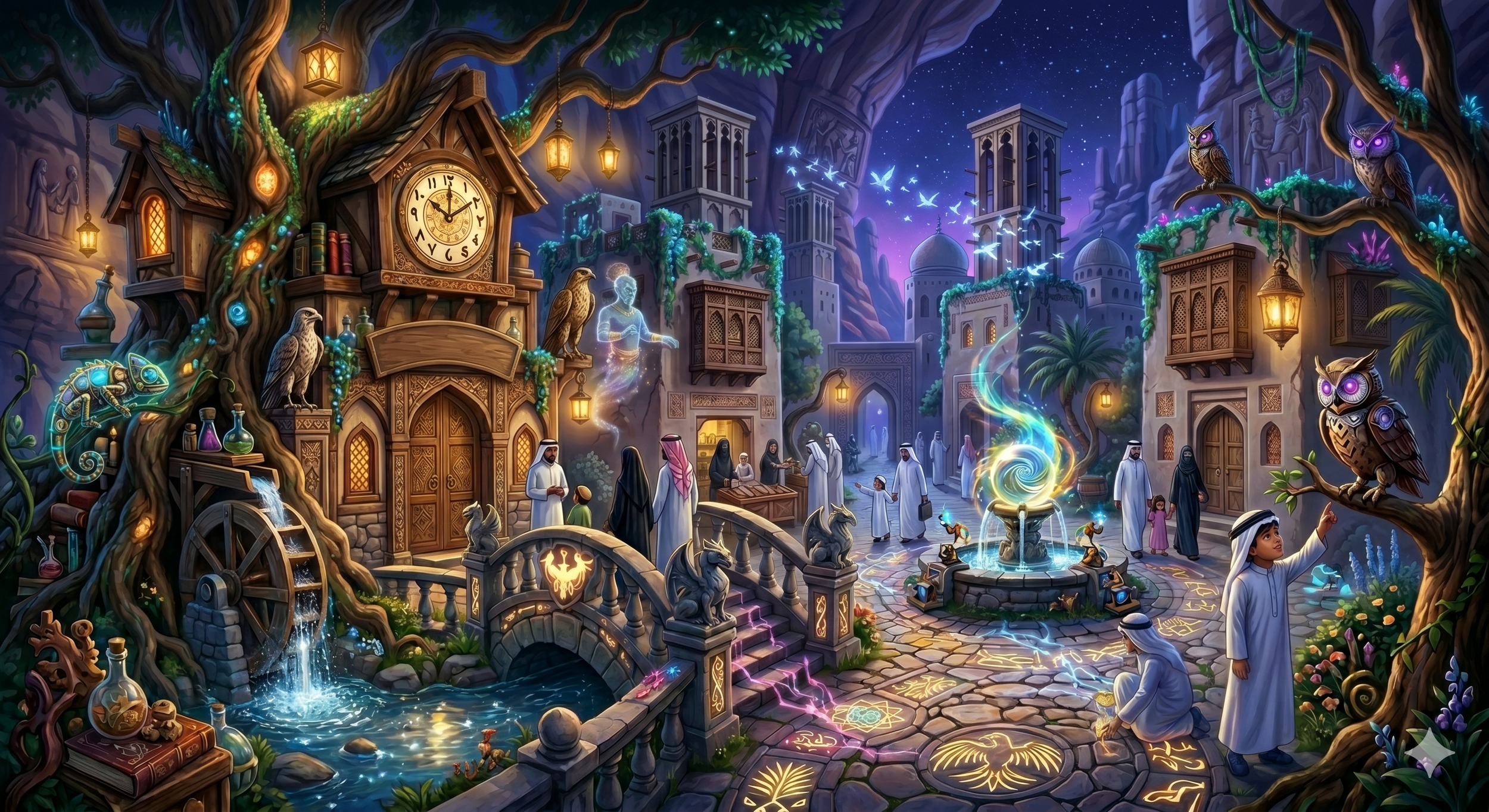
Imagination and Placemaking: The Story Beyond the Blueprint
Great places are never engineered; they are imagined into existence. The most resonant destinations in the world began not with infrastructure but with a story about what a place could mean. When imagination leads placemaking, every design decision serves a larger narrative coherence, and the built environment becomes more than functional, it becomes magnetic.
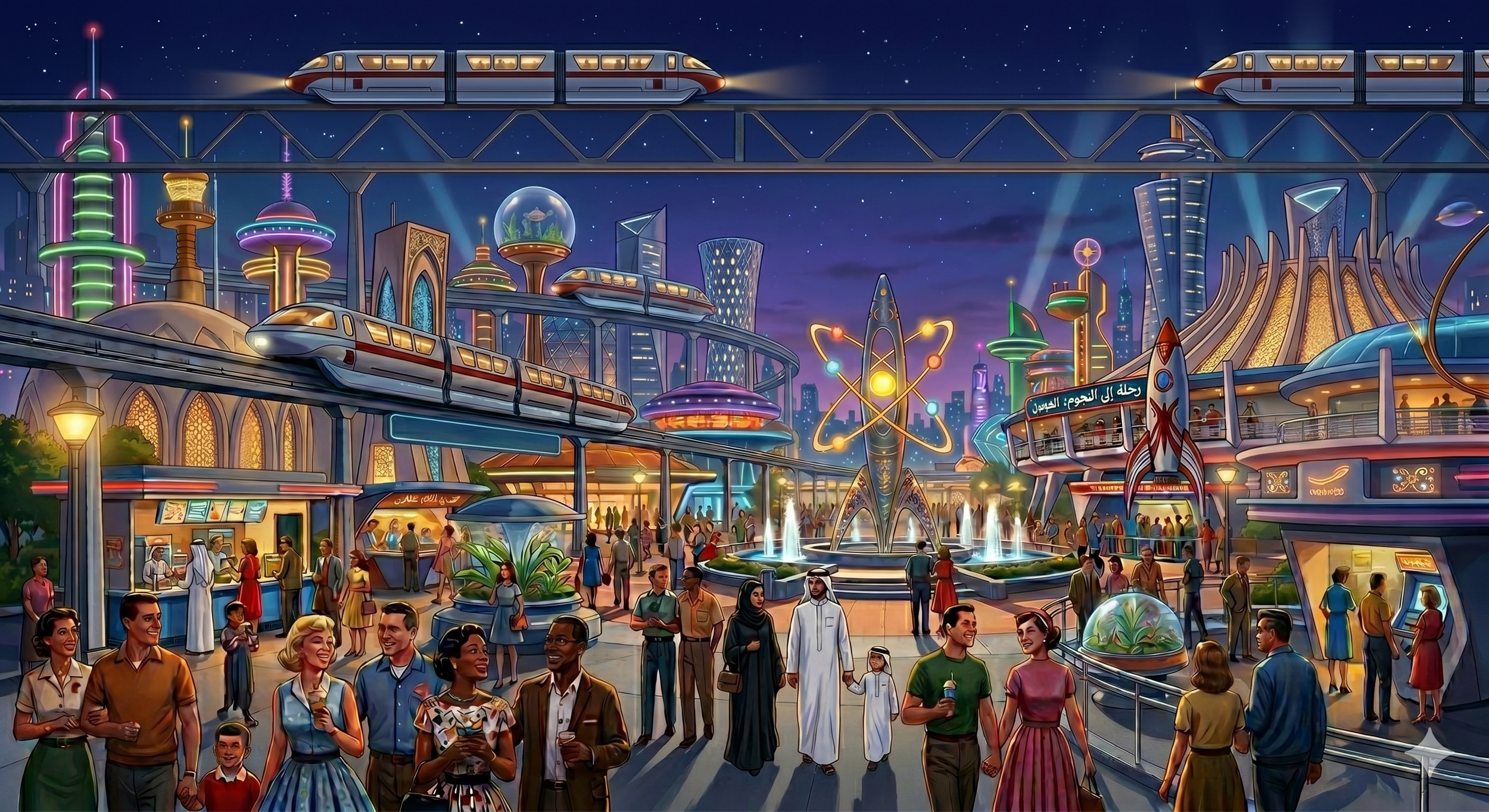
Selling Yesterday's Tomorrow: Retrofuturism, Theme Parks, and the Experience Economy
Tomorrowland has always been a retrofuturist proposition. Walt Disney's “Tomorrowland” built in 1955 was never really about the future; it was about the 1950s imagining the future and inviting visitors to inhabit that imagination as a consumable experience.
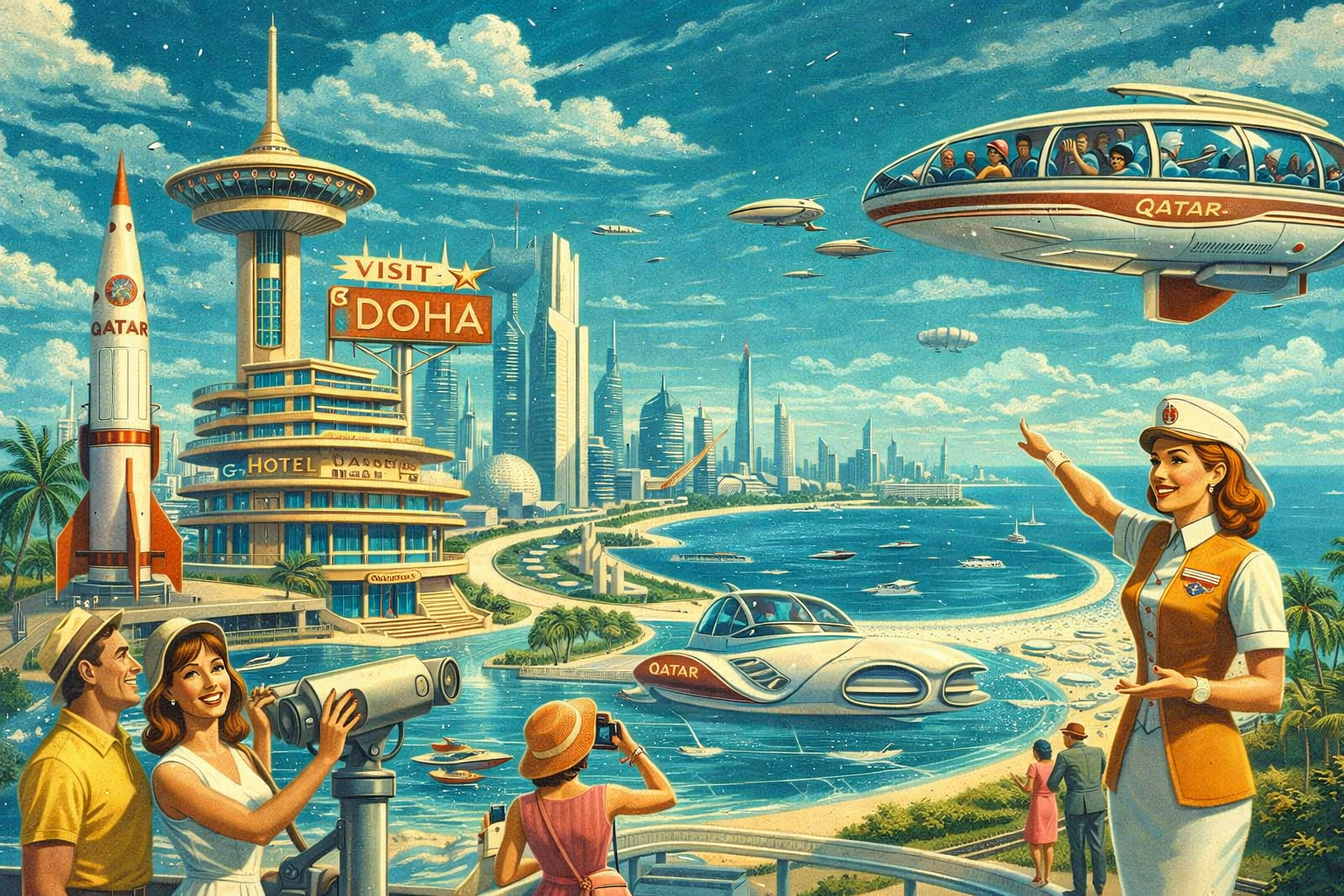
Retrofuturism as a Tourism Lens
Retrofuturism — the aesthetic and philosophical blending of past visions of the future with contemporary realities is quietly reshaping how destinations position themselves. It sits at an interesting intersection: nostalgia as experience design.