Retrofuturism as a Tourism Lens
Retrofuturism — the aesthetic and philosophical blending of past visions of the future with contemporary realities is quietly reshaping how destinations position themselves. It sits at an interesting intersection: nostalgia as experience design.
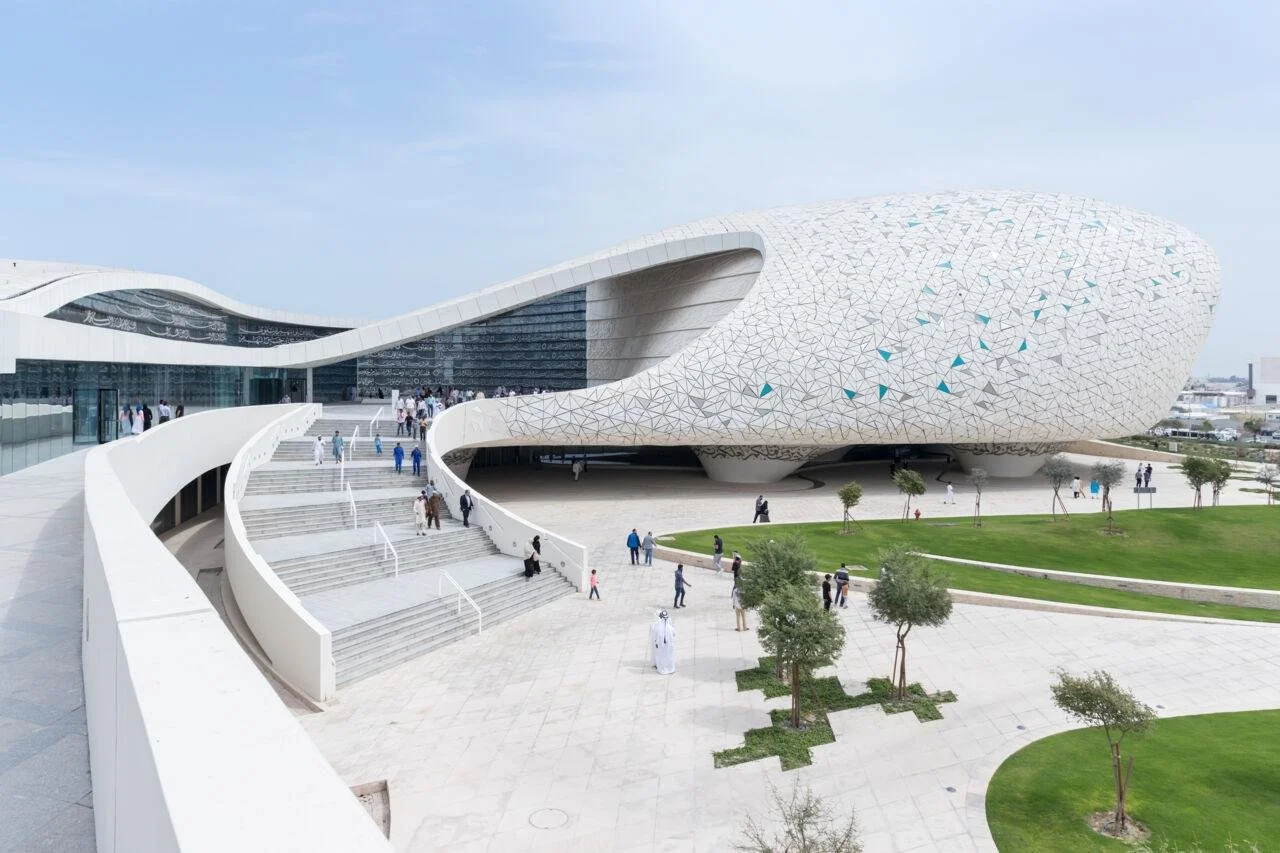
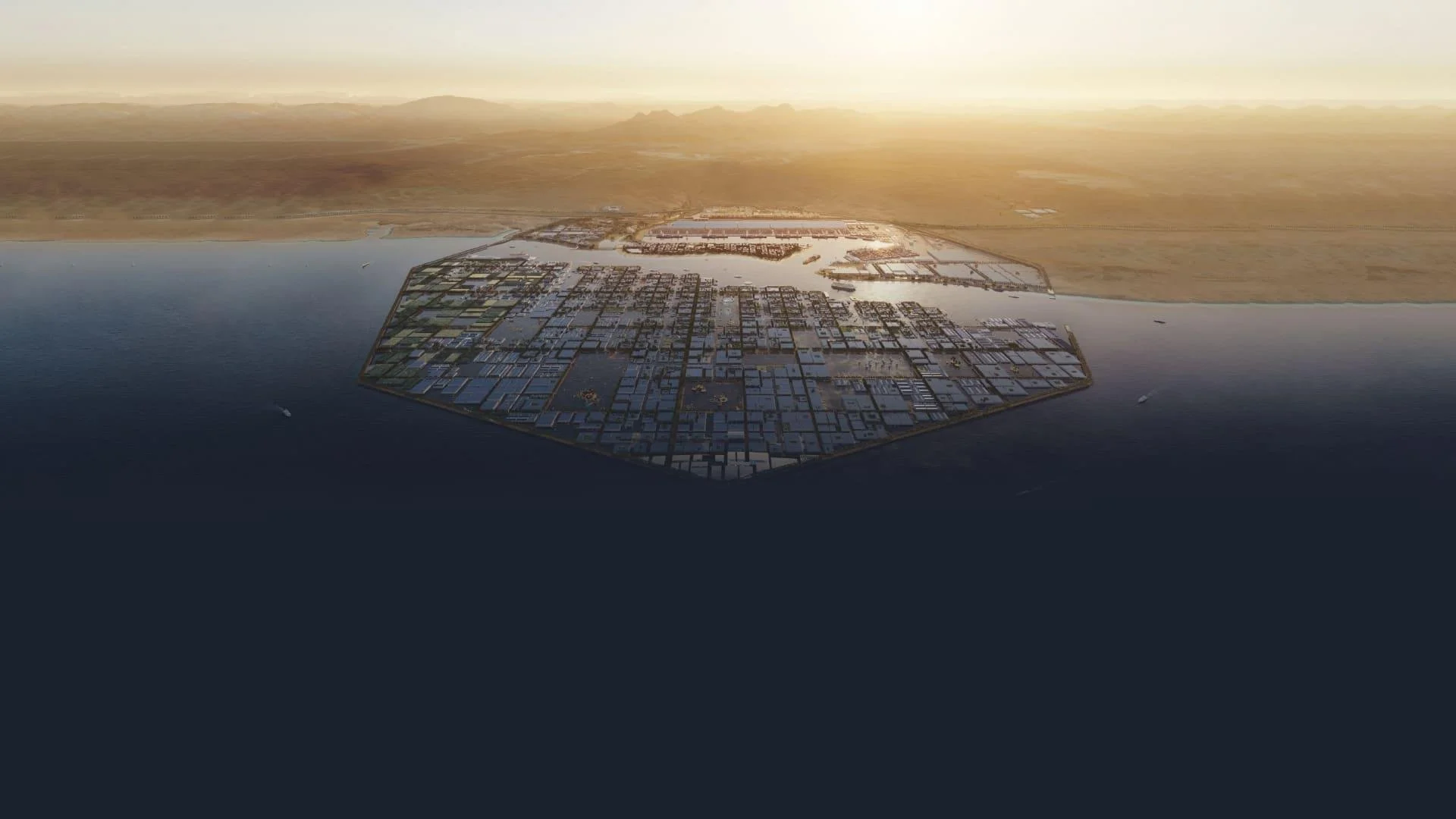
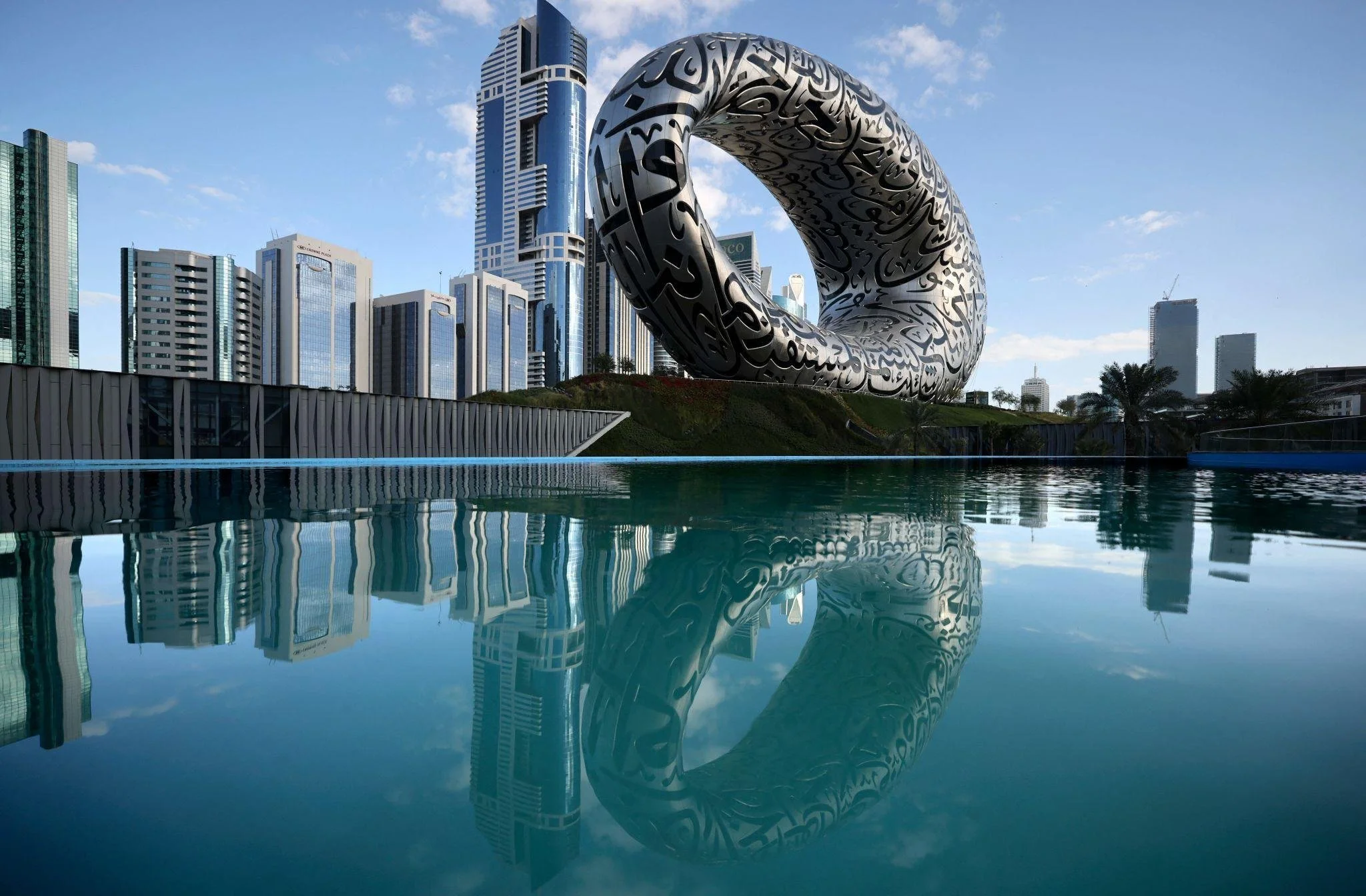
In tourism, this manifests in several ways. Destinations are increasingly curating experiences that evoke how past eras imagined the future, think mid-century modern resort revivals, space-age themed attractions, or heritage sites reimagined through immersive technology. Doha’s Minaretein Center, Dubai's Museum of the Future and Saudi Arabia's NEOM are arguably retrofuturist in spirit: they project futuristic ambitions through architectural language that echoes earlier utopian visions.
What makes this relevant for tourism policy, particularly for the GCC context, is how retrofuturism resolves a tension that many emerging destinations face: the desire to modernize rapidly while preserving cultural identity. Retrofuturism offers a narrative framework where tradition and technological aspiration coexist rather than compete. Qatar's own trajectory post-2022 reflects this: heritage villages sit alongside hypermodern stadiums, and the tourist journey bridges both.
The risk, however, is superficiality. If retrofuturism becomes purely aesthetic, a design trend divorced from genuine placemaking, it produces destinations that feel thematic rather than authentic. Looking forward, retrofuturism's real contribution to the industry may be conceptual rather than visual: it normalizes the idea that futures are plural and culturally situated, not universal. For destination policymakers, that's a powerful framing. It gives permission to imagine futures rooted in local identity rather than imported templates.
The question worth asking is whether destinations can sustain the retrofuturist promise beyond the architectural gesture, whether the narrative of cultural continuity embedded in these projects translates into visitor experiences that feel rooted rather than staged, and whether the next generation of tourists will read these spaces as authentic expressions of place or as elaborate set design.