Ghibli Tourism: The Journey Beyond the Frame
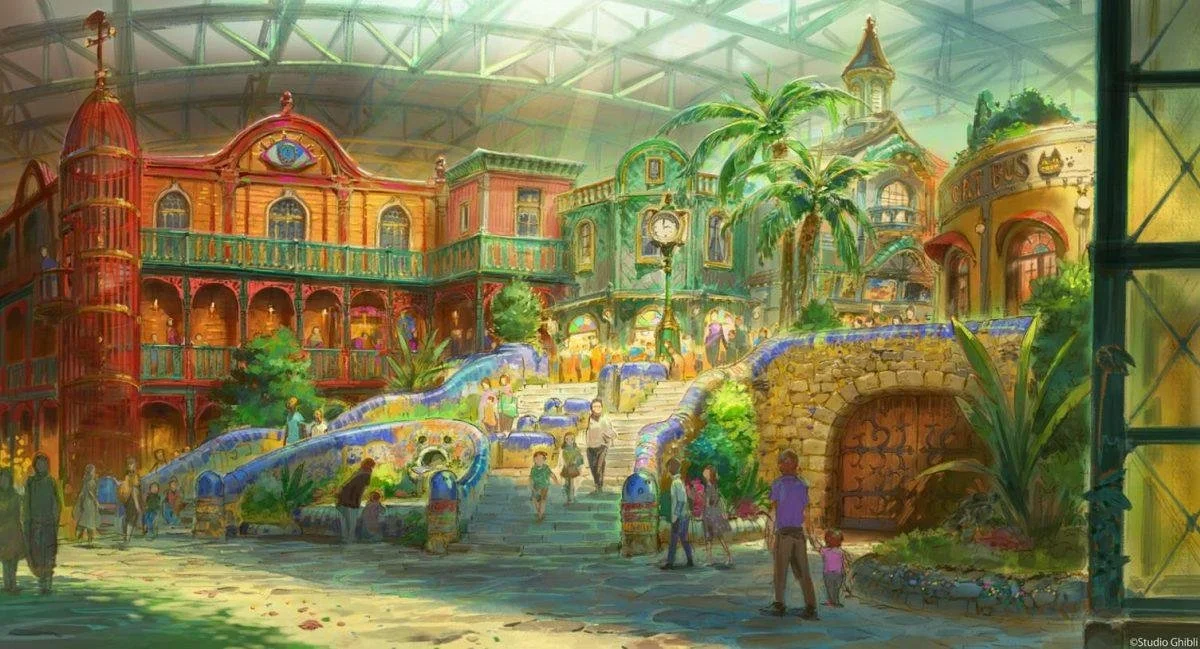
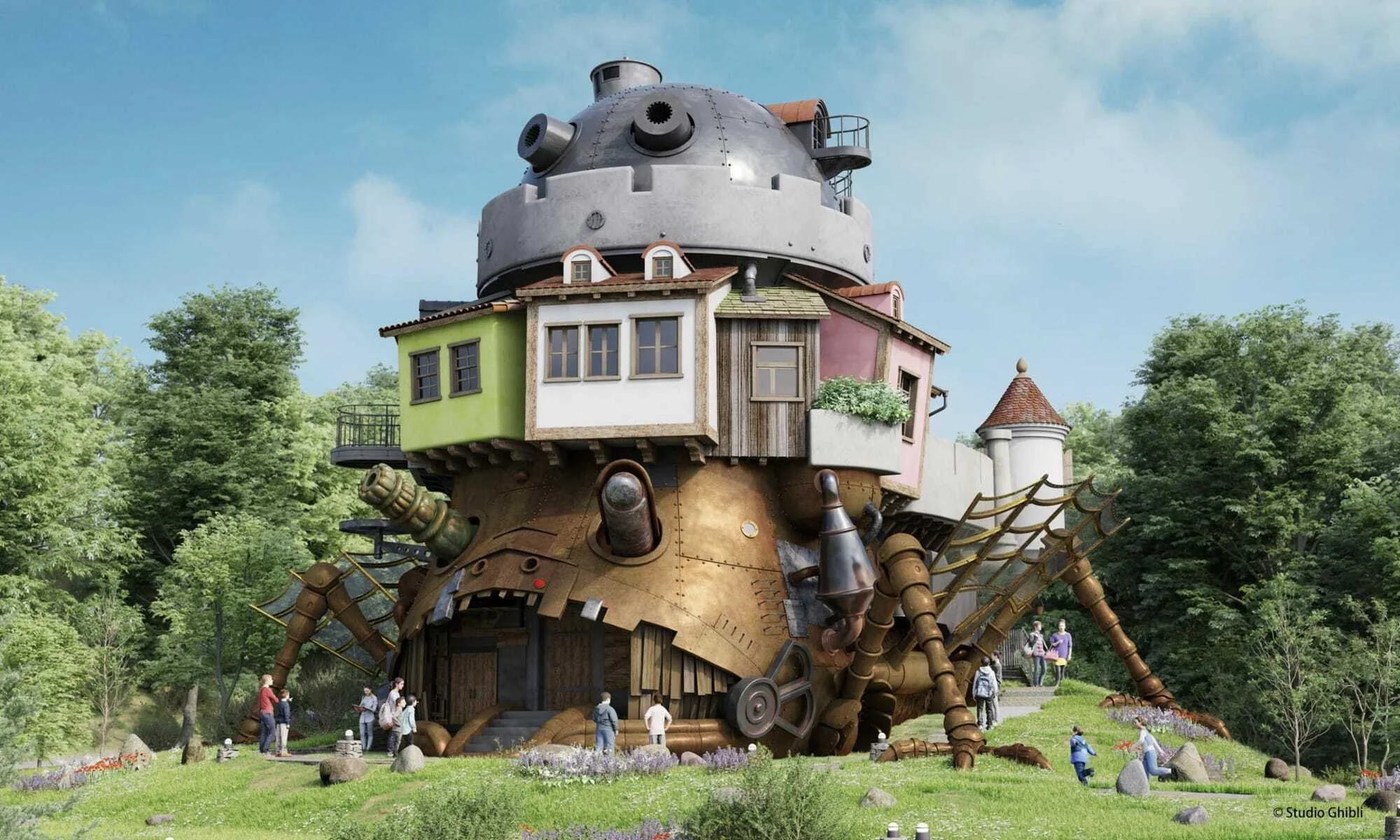
Ghibli Park. Image: Studio Ghibli.
Ghibli tourism is one of the more instructive cases in contemporary destination studies because it inverts the usual IP-to-place logic. Pine and Gilmore's framework assume producers stage experiences for paying guests — the firm dresses the set, scripts the encounter, and charges admission to the feeling. Ghibli inverts almost every step. The "set" is real geography that existed long before the films. There is no scripted encounter; visitors author their own, and nobody stands at the gate collecting money for the experience itself. Value capture happens upstream (cinema, streaming, merchandise) and downstream (lodging, transport, F&B in the host town). The experience itself, in the classical commercial sense, is free.
What these produces are closer to what might be called an emotional pre-payment model. By the time a visitor arrives at Tomonoura's harbor wall or walks into Yakushima's moss forest, they have already paid in childhood hours, in repeat viewings, in years of accumulated affect. The on-site experience is the redemption of a long-held emotional credit, not a fresh purchase. This collapses several stages of the consumer journey at once: search is minimal because the film already chose the destination; evaluation is suspended because the visitor is not comparing alternatives but answering a kind of calling; and satisfaction is measured against an internal benchmark of memory rather than against competing offers.
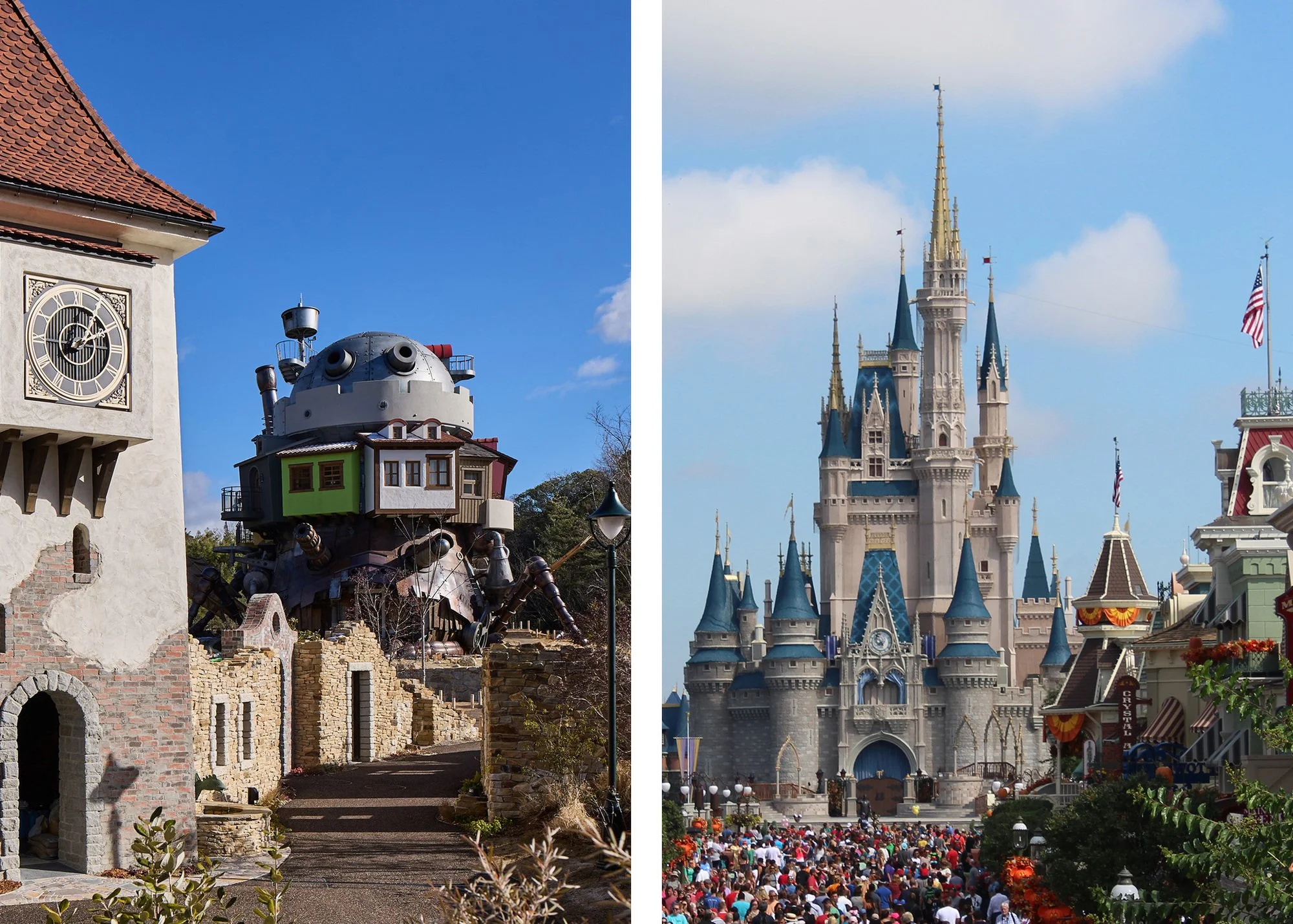
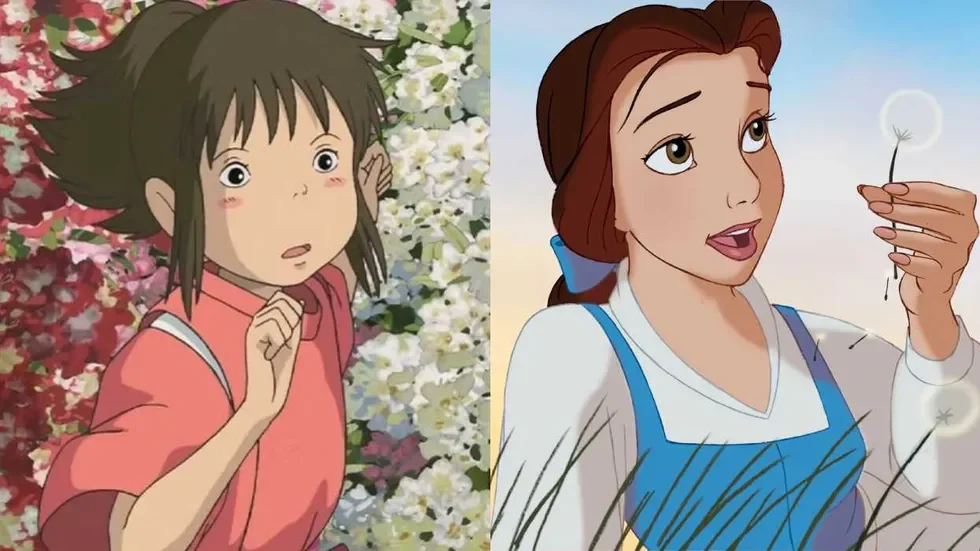
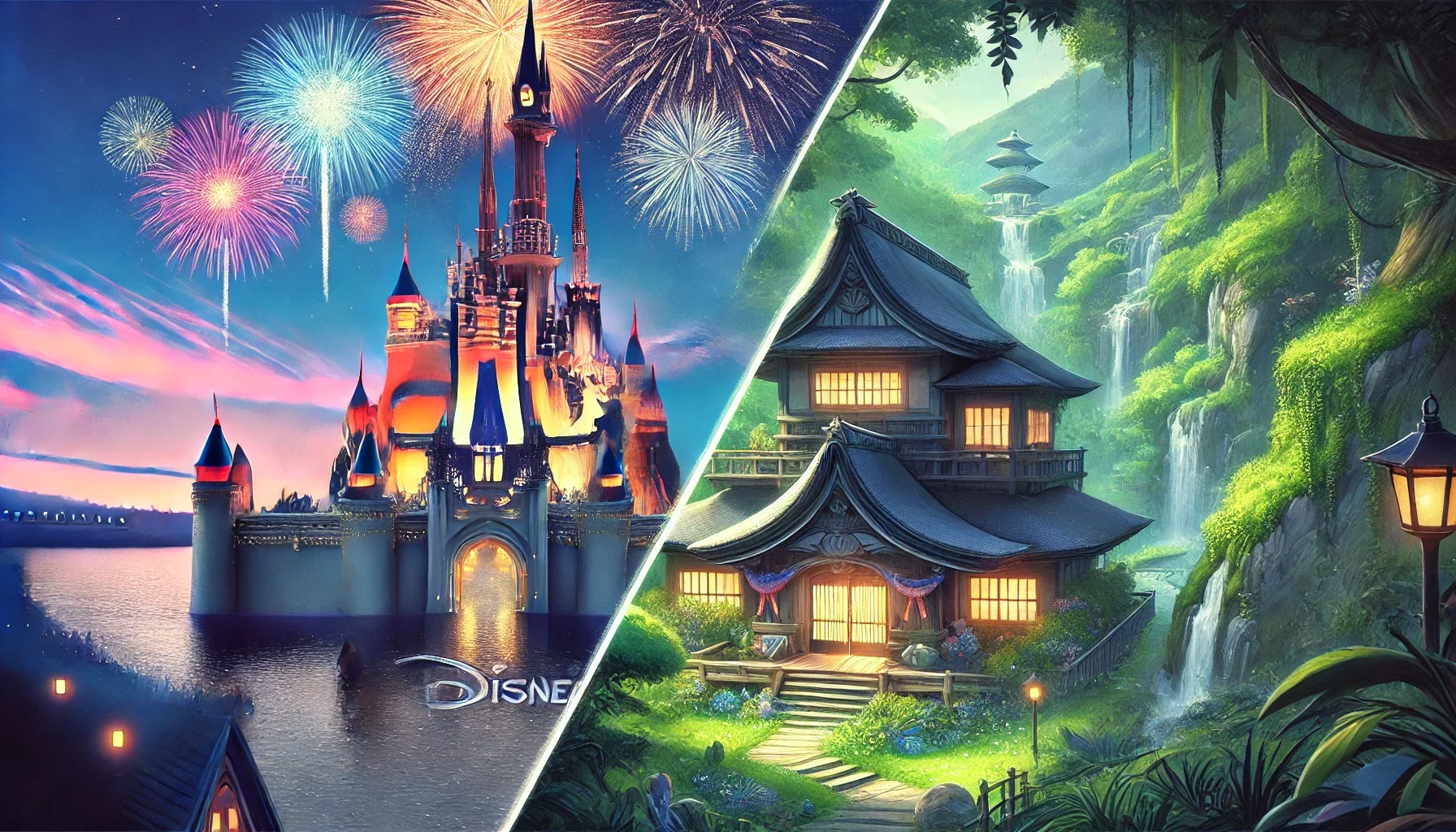
Within Pine and Gilmore's four realms (entertainment, education, escape, and esthetic) Ghibli tourism resides almost entirely in the esthetic. Visitors are absorbed but passive; they want to be in the scene, not perform within it. This is the opposite of Disney, where the dominant register is escapism, the active immersion in a constructed world. The economic consequences are real. Esthetic experiences are quiet, low-throughput, and resistant to upselling you cannot easily sell a premium tier of standing on a hillside at dusk. Yield per visitor stays modest while emotional intensity stays high, which is a difficult combination to monetize but a generous one for the host environment and arguably a more sustainable shape of demand.
The transformation question is where it gets sharper. Pine and Gilmore's later argument is that the next economic stage beyond experiences is transformations, guests pay to be changed, not just moved. Ghibli pilgrimage straddles this line. Visitors rarely arrive seeking transformation, but many describe leaving with a softened relationship to slowness, to nature, to quiet. Whether Ghibli is "selling" transformation is debatable; what is clear is that the films embed a worldview attentiveness, reverence for ordinary beauty, suspicion of velocity that the destinations then physically rehearse. The experience is the worldview made walkable.
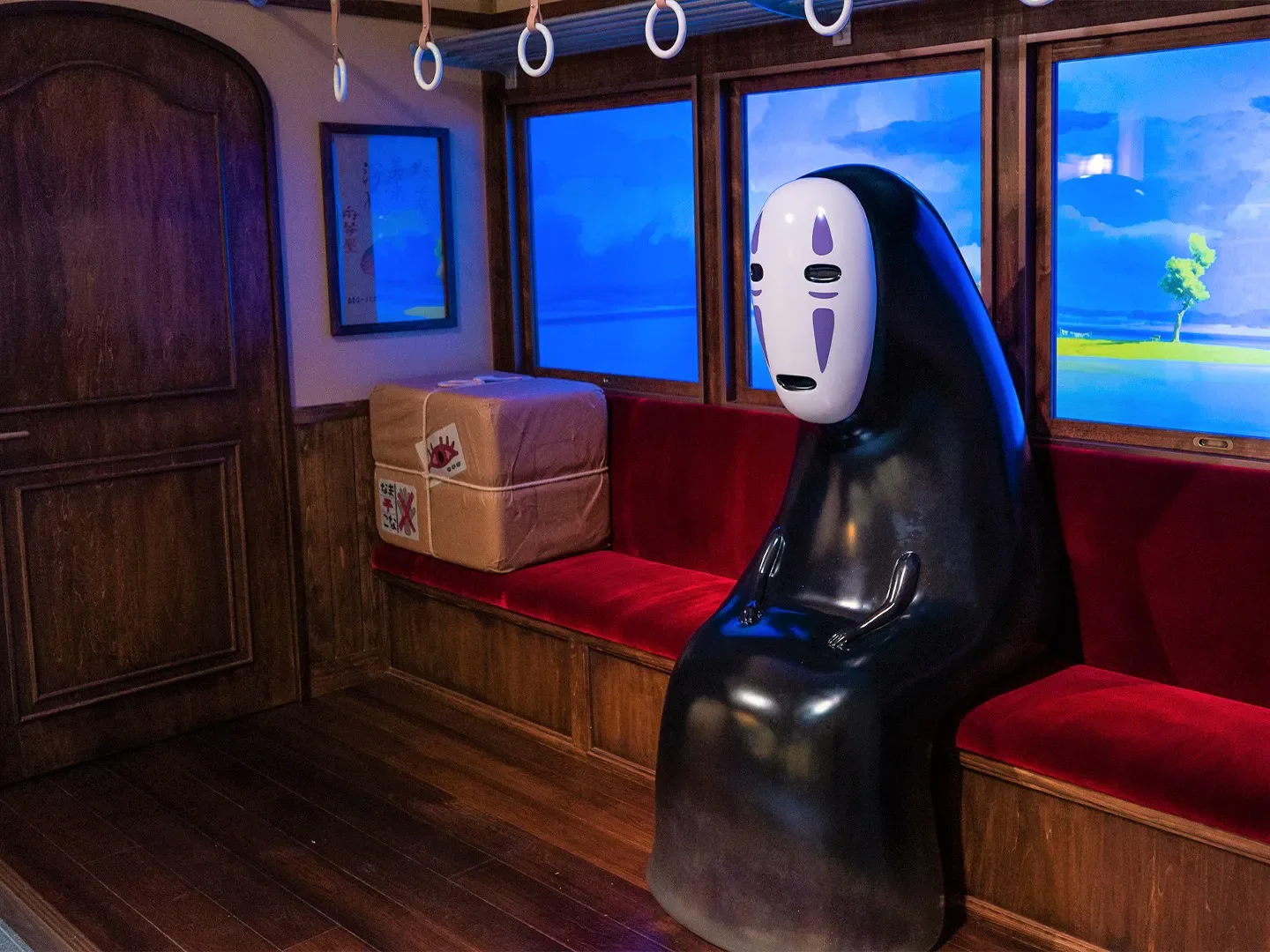
The restraint is the part most worth studying. Most experience-economy success stories accumulate layers themed hotels, photo ops, branded retail, costumed staff. Ghibli sites largely do not. There is no No-Face café at Dogo Onsen staffed by masked servers. The towns mostly resist costuming themselves into the films, and the studio returns the favor by never officially confirming which real places inspired which scenes. This mutual non-aggression preserves something fragile and counterintuitive: the experience works because it is not staged. The moment a place over-themes itself, it stops being the place from the film and becomes a representation of itself, which fans detect instantly and reject.
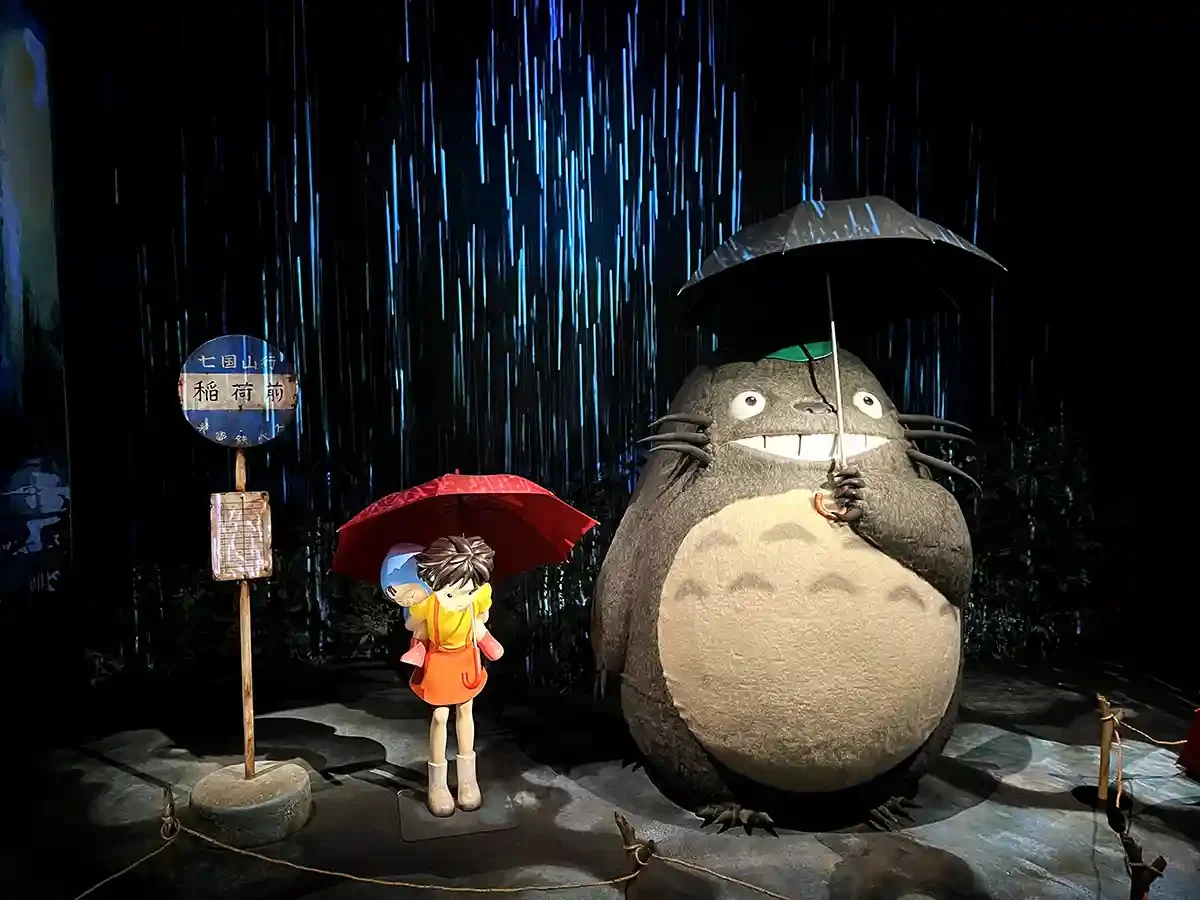
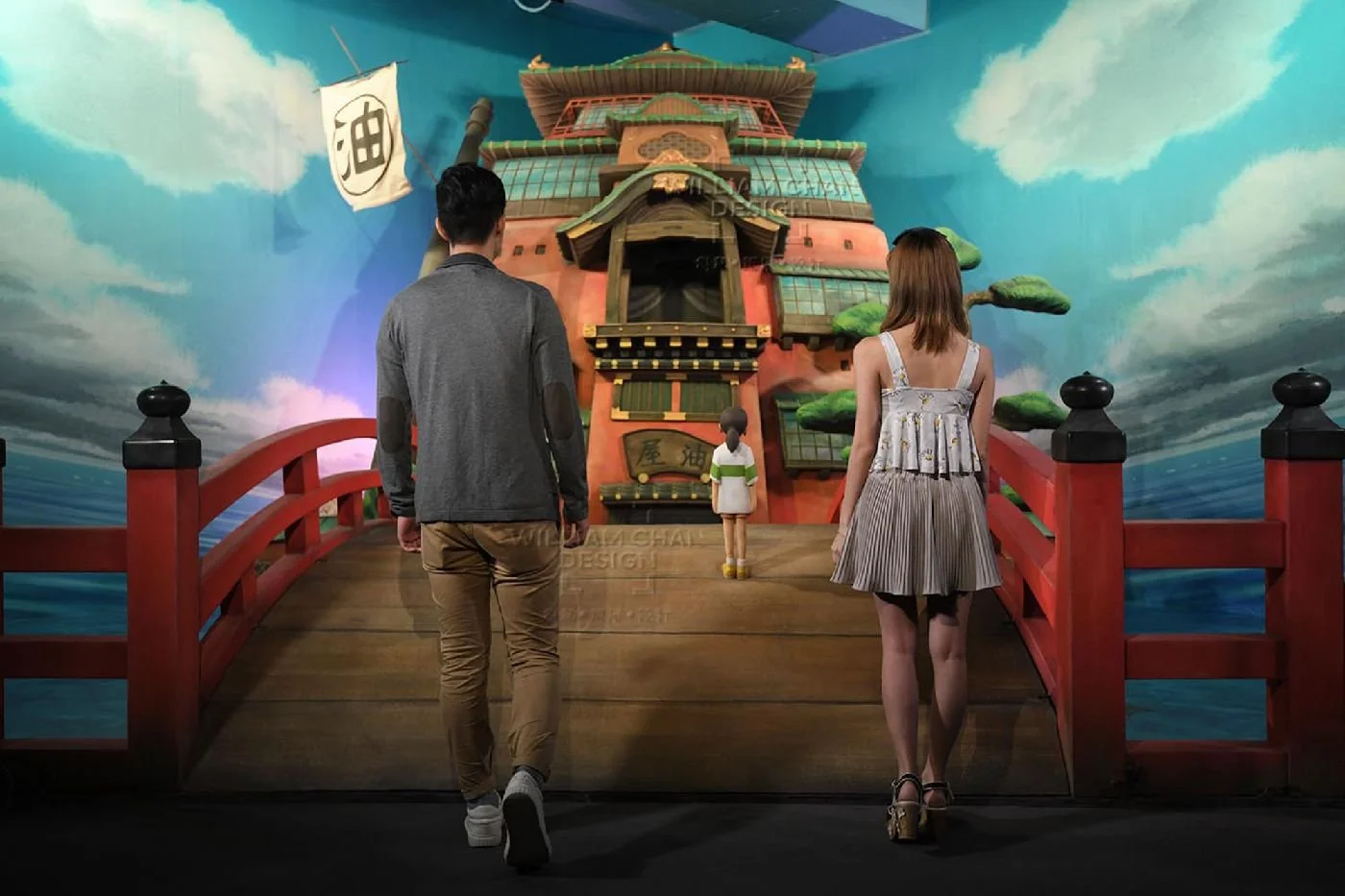
Ghibli Park in Aichi, opened in 2022, is the controlled experiment in the other direction, the studio finally building a fully staged experience product on its own terms. The signals are instructive. It rejects ride-based conventions, caps daily attendance, restricts much of the photography that drives social amplification, and asks visitors to walk through quiet woods between attractions. Even when Ghibli builds the set itself, it refuses to play the experience economy at full volume. This is a brand that understands its scarcity is its product.
Japan's Studio Ghibli Park
The broader lesson is that the most powerful tourism experiences may not be the most engineered ones. Ghibli's economic footprint rests on emotional infrastructure laid down decades earlier through an entirely different product, and the tourism layer succeeds by adding as little as possible on top. In an industry obsessed with addition such as more amenities, more activations, more shareable moments, the Ghibli case quietly argues that subtraction, restraint, and a long emotional runway may produce more durable value than any amount of staging.