Imagination and Placemaking: The Story Beyond the Blueprint
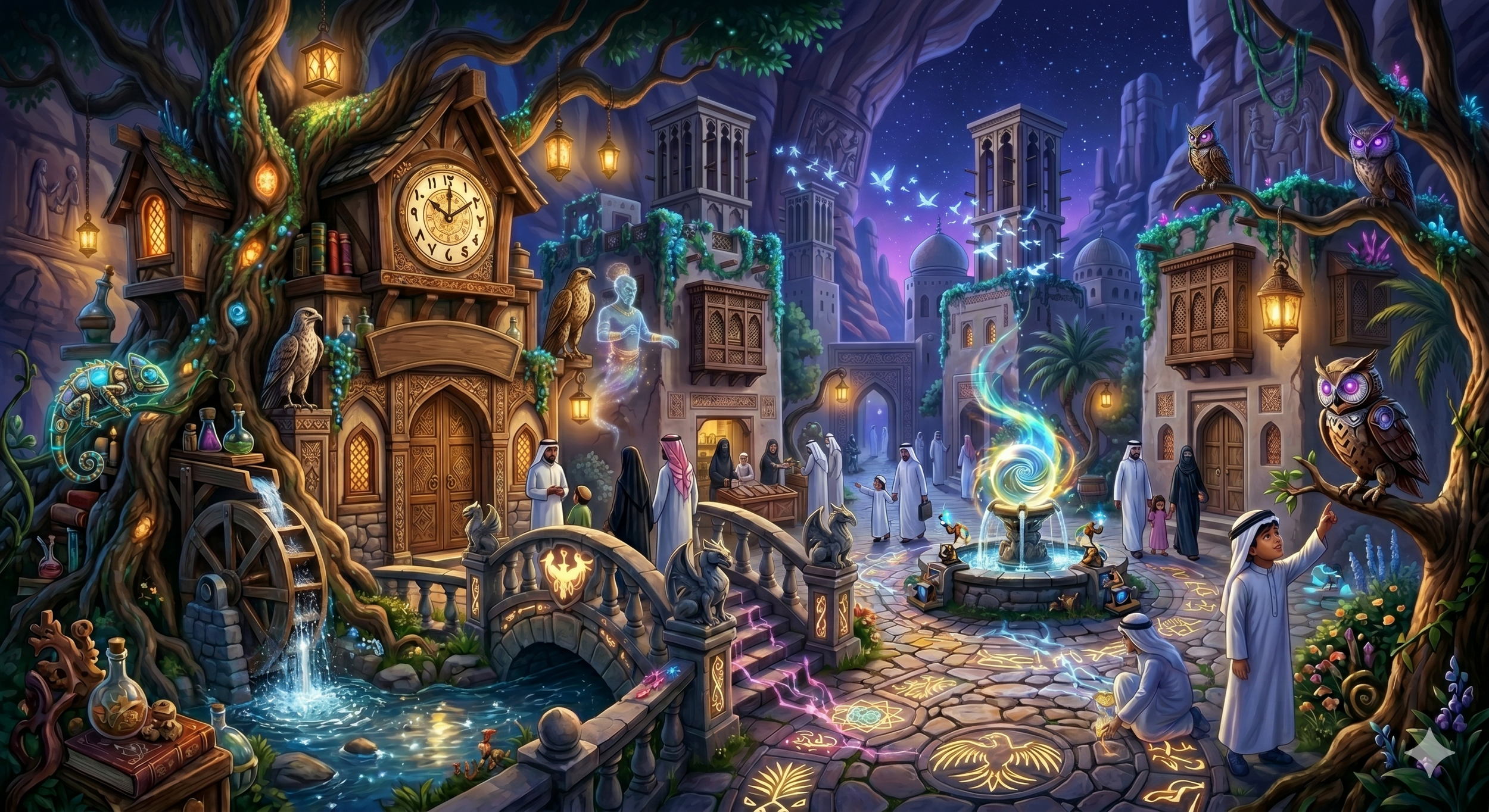
A vibrant illustration illustrating imagination and creative placemaking.
Placemaking has traditionally been understood through urban design, community engagement, and spatial functionality — how streets are laid out, where people gather, what a public space invites people to do. But the most transformative destinations in the world weren't built from site plans. They were built from acts of imagination that preceded any blueprint. When we bring imagination into placemaking, the entire logic of destination development shifts: the question moves from "what can we build here?" to "what world are we bringing into existence?"
Imagination as the origin point of place
Most destination development follows a linear sequence, assess assets, identify gaps, build infrastructure, then market. Imagination disrupts this by placing narrative and vision before physical intervention. A place doesn't become a destination because it has hotels and attractions; it becomes a destination because it embodies an idea that people want to inhabit. This is the difference between a real estate project and a place with identity. Imagination is what generates that identity and gives a destination its reason to exist beyond utility.
This matters enormously for emerging destinations where cities are being built or repositioned at speed. Without an imaginative proposition at the foundation, development risks producing infrastructure that is impressive but inert places that function but don't resonate.
From master planning to world-building
The shift imagination demands are from master planning to what might be called world-building. Master planning organizes space; world-building creates meaning within it. When destination developers operate as world-builders, every design decision from materials to scale, and sequencing to sensory environment, serves a larger narrative coherence. Visitors don't need to consciously understand the narrative to feel its effect. They simply experience the place as making sense at an intuitive level, which is what separates destinations people remember from those they forget.
This is not about theming in the superficial sense. It is about embedding an imaginative logic so deeply into the DNA of a place that the built environment, the programming, the wayfinding, and the social dynamics all reinforce a unified proposition. The place becomes its own argument.
Disney Imagineering as a placemaking model
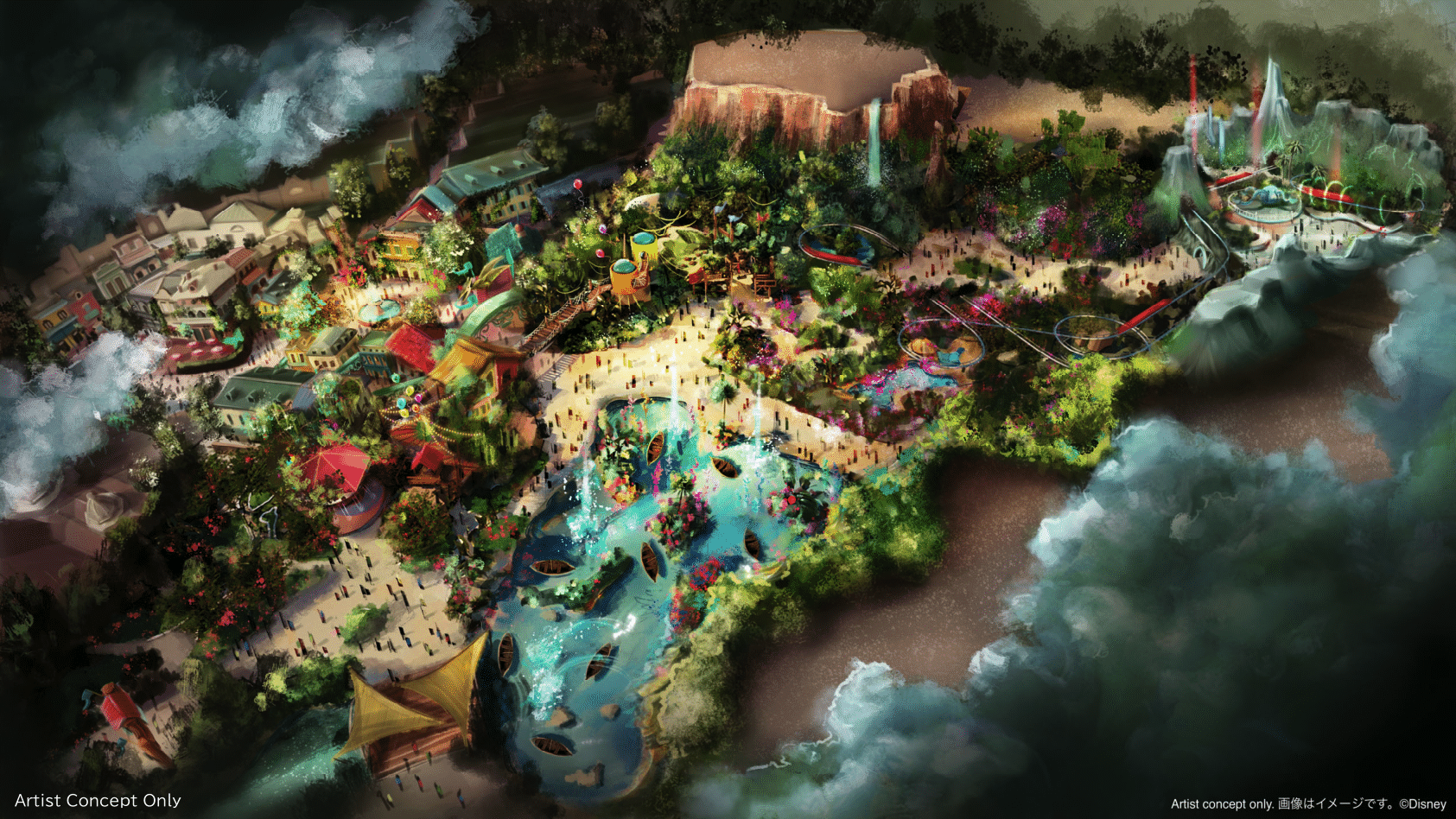
A conceptual image of Tokyo Disney Resort area redesign developed by Disney Imagineering.
Disney Imagineering is the clearest demonstration of this principle at scale. What Imagineers practice is, at its core, a placemaking methodology, one that happens to be disguised as entertainment. Consider how a Disney "land" is developed. The process begins not with architecture but with a story architecture: who lives here, what happened here, what era does this place belong to, what emotional trajectory should someone moving through it experience? Only after that narrative architecture is locked does physical design begin, and every element from the color of the pavement to the smell piped into a corridor is reverse-engineered from the story.
The result is a kind of placemaking where nothing is accidental, and everything contributes to a sense of immersion. Galaxy's Edge at Disneyland didn't just build Star Wars themed buildings; it built a place called Black Spire Outpost with its own history, economy, and social atmosphere. Cast members don't break character. The merchandise is diegetic, you're not buying a souvenir, you're acquiring something that exists within that world. This is placemaking taken to its imaginative extreme, and it produces spaces with an almost gravitational pull.
What this means for destination development strategy
The implication for real-world destination developers is not that every city should become a theme park. It is that the Imagineering methodology (story first, then space) contains a transferable logic. Destinations that begin with a clearly articulated imaginative vision and then discipline every development decision against that vision produce places with coherence, emotional depth, and differentiation. Destinations that begin with infrastructure and try to retrofit a story onto it almost always produce something generic.
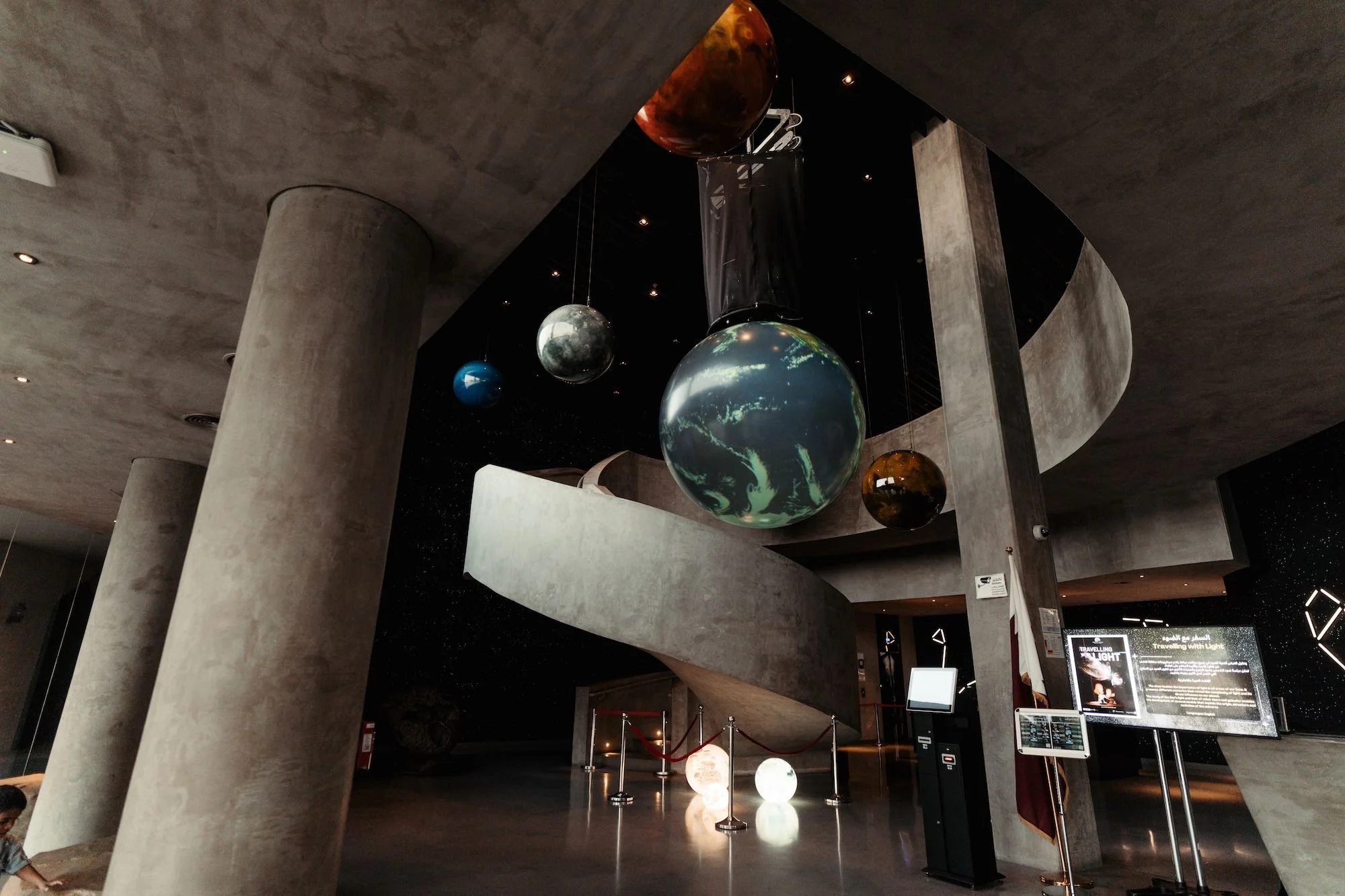
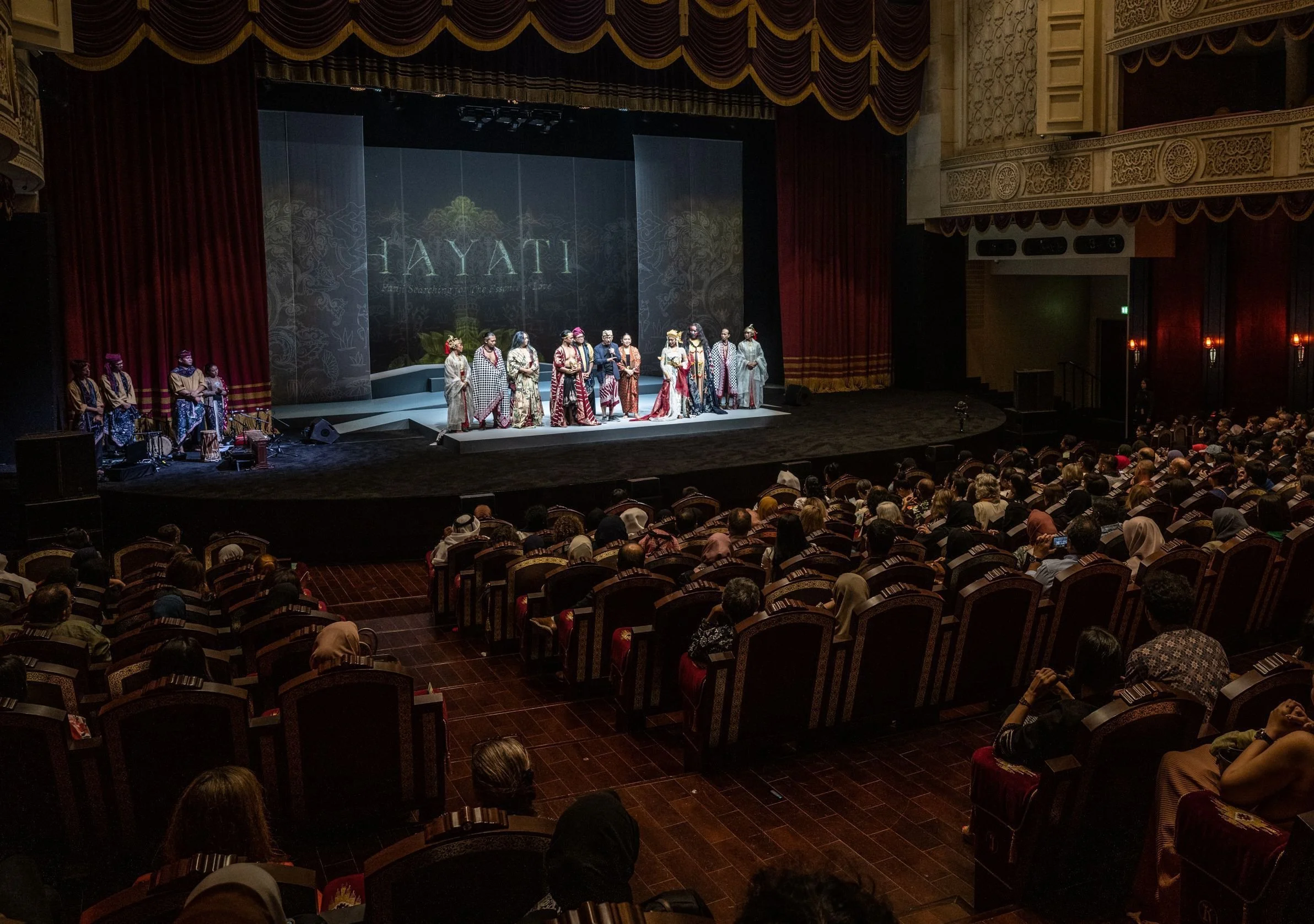
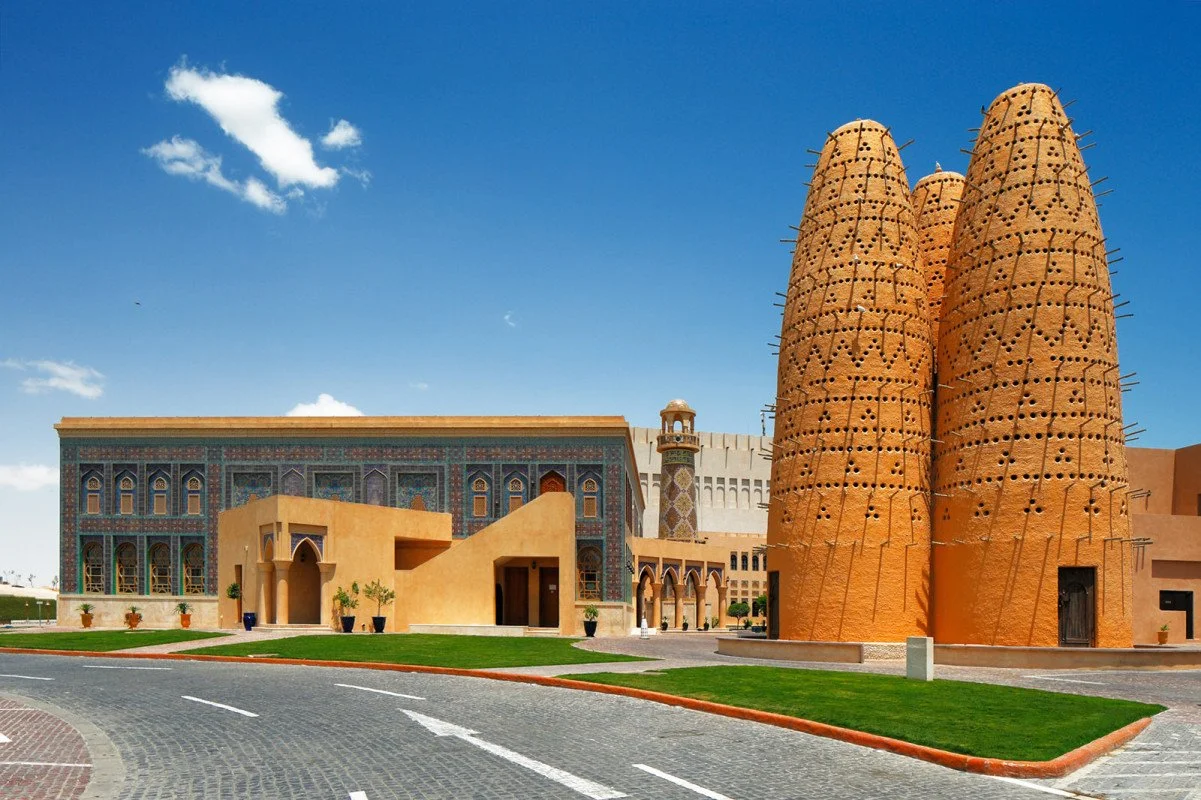
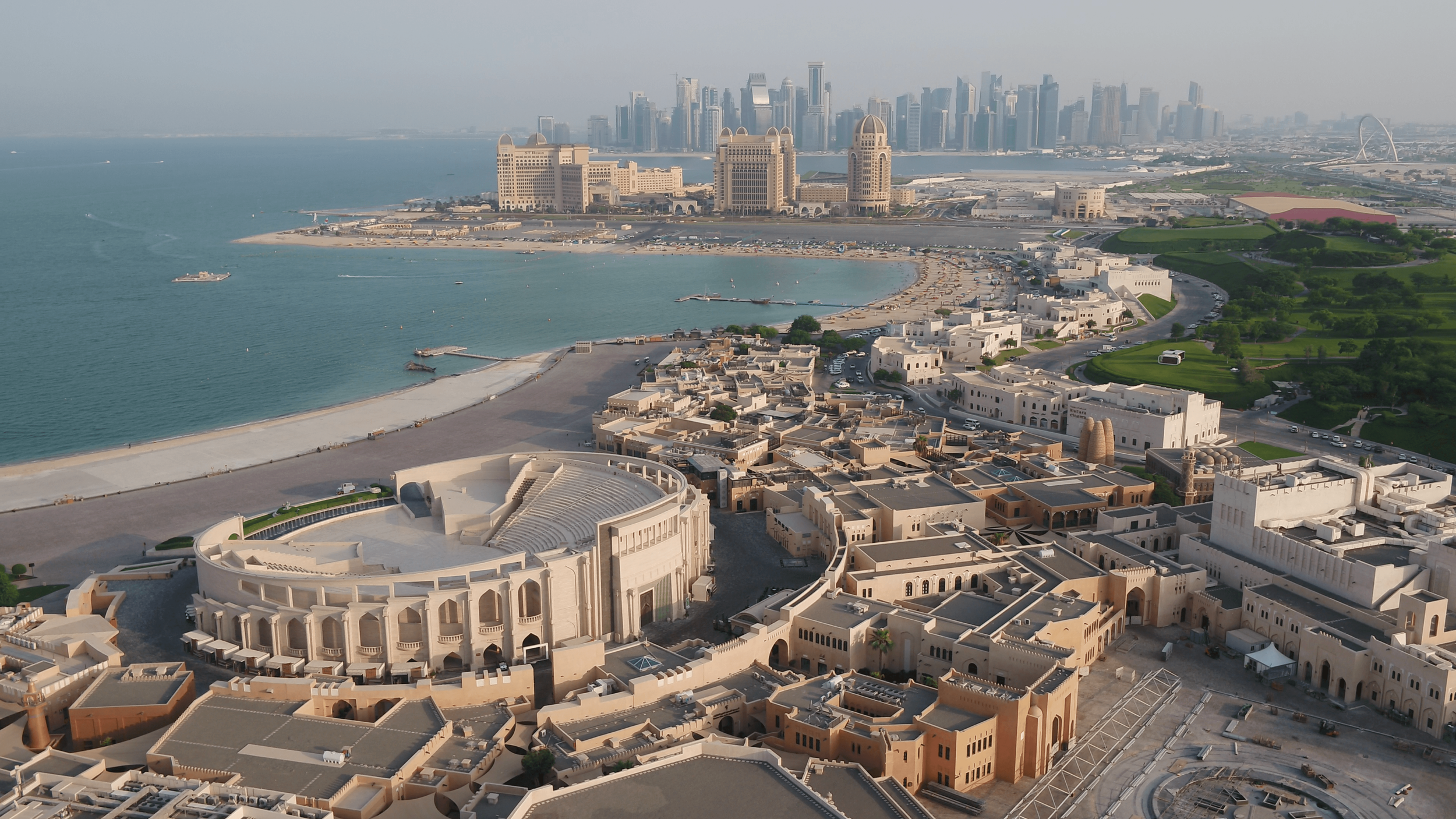
For a context like Qatar's, where national strategies like NDS3 are actively shaping the built environment, Katara Cultural Village stands as a compelling example of imagination-led placemaking in practice. Katara was not conceived as a collection of venues, it was imagined as a cultural world: a place where heritage, art, performance, and public life coexist within a coherent architectural and narrative identity. Its amphitheater, galleries, mosques, and waterfront promenades don't simply occupy the same site; they belong to the same story about what Qatari cultural life can look and feel like. The result is a destination with genuine gravitational pull, one that residents and visitors return to not because of any single attraction, but because the place itself resonates. Katara demonstrates what becomes possible when imagination is treated as a planning input rather than a marketing afterthought, and it offers a model for how future developments across the country might be approached: story first, then space.
That said the opportunity is to treat imagination as a planning input rather than a marketing afterthought. What is the story each place tells? What world does it belong to? What kind of future does it make visible and tangible? These are not branding questions but rather foundational placemaking questions, and the quality of the answers will determine whether what gets built becomes a destination or merely a development.
Imagination as strategic infrastructure
Ultimately, the argument is that imagination deserves the same status in destination development as transport networks, zoning, and capital allocation. It is not a soft complement to hard planning, it is the layer that gives hard planning its direction and purpose. The destinations that endure, that attract repeat engagement, that generate cultural gravity rather than just visitor throughput, are the ones where someone, at some point, had the courage to imagine a world and then build it with conviction.